How Many Eggs Do Chickens Lay Per Day, Week, and Year?
6 min read · Updated July 2026
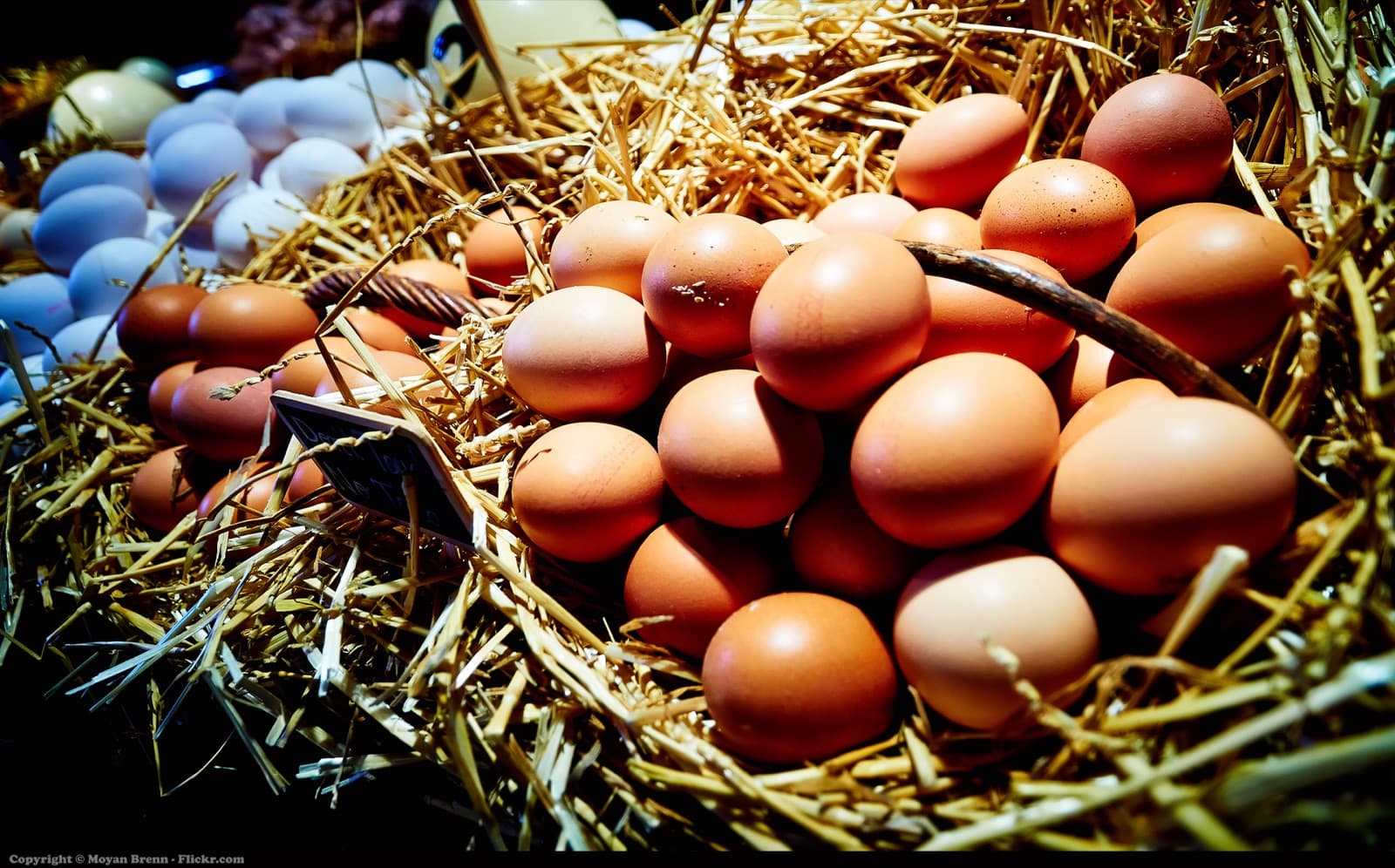
The hard ceiling: one egg per day
Let's settle the big one first: a hen physically cannot lay more than one egg per day, and in practice almost never lays one every single day.
Here's why. An egg takes roughly 24 to 26 hours to form — about 20 of those hours are just building the shell. And hens generally only release the next yolk during daylight hours. So a hen laying at 8 a.m. today will lay closer to 9 or 10 a.m. tomorrow, then later still, until the cycle would push her into evening — at which point she skips a day and resets to morning.
That's why even elite layers produce eggs in 'clutches': several days in a row, then a rest day. A great production hen might lay 5-6 days out of 7 at her peak. A hen that gives you 300+ eggs in a year is a genuine superstar.
So if someone tells you their hen lays two eggs a day — it happens on rare occasions as a fluke, but it is not a schedule any hen keeps. What actually determines your egg count is breed, age, and season. Let's take those in order.
Eggs per week and year, by breed
Breed is the biggest lever you control. Rough annual numbers for a healthy hen in her first laying year:
- White Leghorn: 280-320 eggs/year (5-6 per week). The egg machine of the chicken world. White eggs, lean build, all business.
- Golden Comet / ISA Brown (sex-links): 280-320/year. Hybrid layers bred for production; they start early and lay hard.
- Australorp: 250-300/year (about 5 per week). An Australorp famously holds an old official record of 364 eggs in 365 days — your backyard bird won't do that, but the breed's reputation is earned.
- Rhode Island Red: 250-300/year. The dependable classic.
- Plymouth Rock, Sussex, Wyandotte: 200-260/year (4-5 per week). Solid dual-purpose layers.
- Orpington: 180-220/year. Fewer eggs, maximum fluff and charm.
- Silkie and most bantams: 100-150/year, with smaller eggs and frequent broody breaks.
Browse the full breed hub for details on egg color, size, and temperament — a mixed flock gets you a pretty egg basket and staggered production.
The age curve: great, good, then gradually less
Egg production follows a predictable arc over a hen's life:
- First laying year (roughly 6-18 months old): Peak production. This is when a Leghorn hits 300 and an Australorp hits 280. First-year hens also often lay through their first winter without pausing much.
- Second year: Expect around 80-90% of year-one output — but the eggs get noticeably bigger. Many keepers consider year two the sweet spot: slightly fewer, larger eggs from a calm, settled hen.
- Years three and four: Production drops roughly 10-15% per year. A hen that gave you 280 eggs at her peak might give you 180 in year three.
- Year five and beyond: Laying becomes occasional and seasonal — a spring flurry, long breaks otherwise. Hens can live 8-10 years, so plan for what happens when the eggs slow. Many backyard keepers happily keep retirees on as pest control, garden companions, and flock elders.
Also worth knowing: a hen hatches with all the yolks she'll ever have (thousands of them). She doesn't run out — her body just slows the release rate as she ages.
Seasonal dips: why October looks so different from May
Even a young, healthy hen doesn't lay evenly across the year. Three seasonal forces shape the calendar:
- Daylight. Laying is driven by light exposure — hens lay best with 14-16 hours of daylight. Production peaks in late spring and early summer, then slides as days shorten. Deep winter without supplemental light can mean very few eggs (we cover the light debate in our winter laying guide).
- The molt. Every fall, hens 18 months and older drop their old feathers and grow a new coat. Feathers are almost pure protein, so the body diverts resources from eggs to plumage. Expect 6-12 weeks of few or no eggs, usually somewhere between September and November.
- Heat. Sustained temps above roughly 90°F suppress appetite and laying, and summer eggs may come with thinner shells. Shade and cool water help.
Put it together and a typical backyard hen's year looks like: strong spring, good summer with a possible heat dip, a fall crash during molt, a quiet winter, then the spring surge again. If your egg count graph looks like a rollercoaster, congratulations — your chickens are normal.
Getting the most eggs from your flock
You can't beat biology, but you can stop leaving eggs on the table:
- Feed a complete layer ration (16% protein) as the main diet. Treats and scratch should stay under about 10% of intake — a hen full of corn is a hen not eating the protein and calcium that become eggs. Curious what your feed actually costs per dozen? The feed cost calculator will tell you (and occasionally hurt your feelings).
- Unlimited clean water. An egg is about 75% water. Even one afternoon with a tipped waterer can pause laying for days.
- Free-choice oyster shell in a separate dish for strong shells.
- Minimize stress. Predator scares, overcrowding, moving the coop, and adding new birds all cost you eggs. The coop size calculator helps rule out crowding.
- Collect daily so eggs stay clean and no one develops an egg-eating habit.
- Keep a simple log. Counting eggs per day is the fastest way to spot a problem early — a gradual dip tells a very different story than a sudden stop.