Why Did My Chickens Stop Laying Eggs? 7 Causes and Fixes
7 min read · Updated July 2026
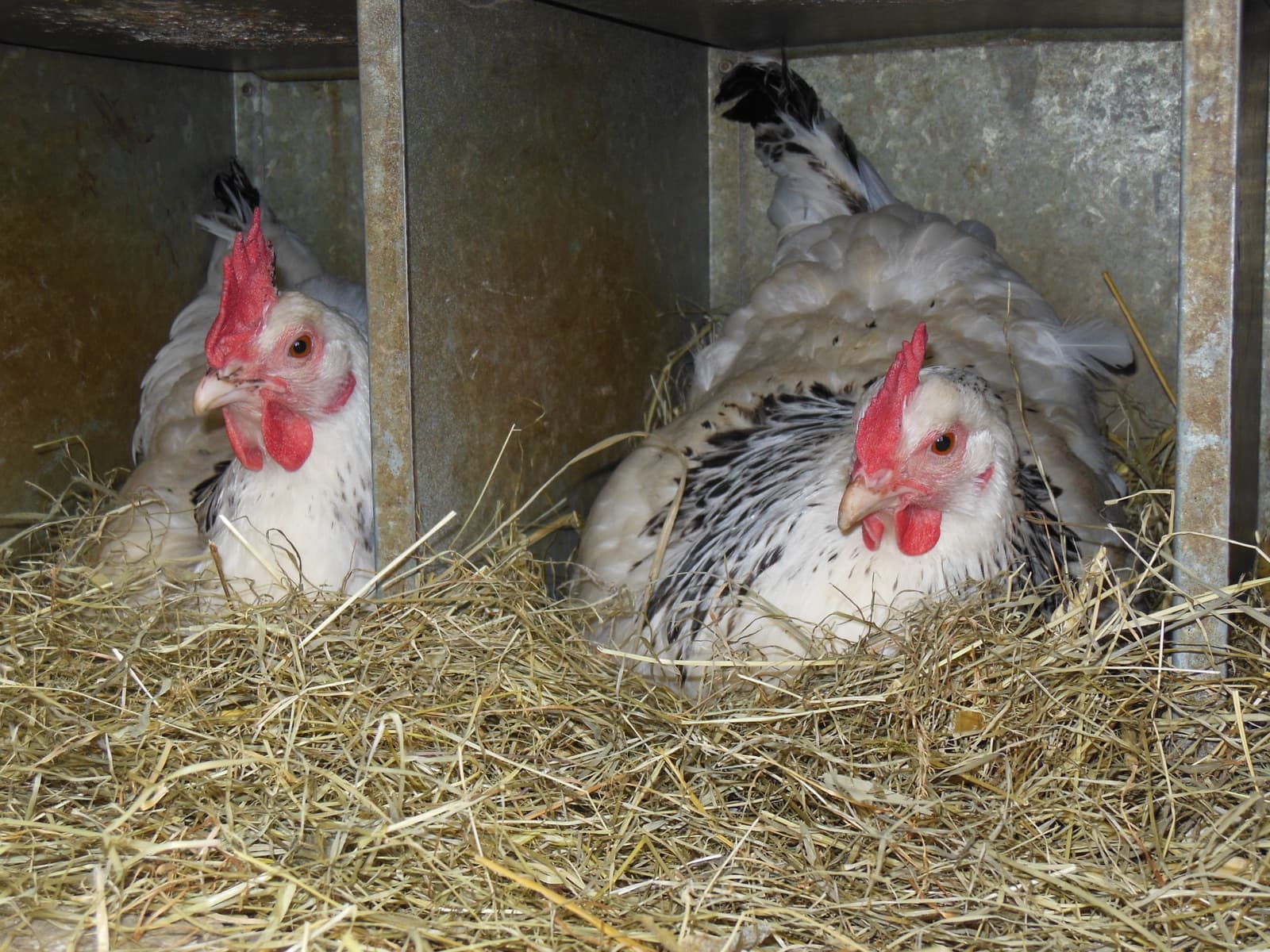
Start here: are the eggs missing, or not being laid?
Before you diagnose your hens, rule out the embarrassing possibilities — they're more common than anyone admits.
Hidden nests. If your hens free range at all, a sudden 'production drop' is often just a relocation. Hens are secretive layers, and one hen discovering a glorious spot under the porch will recruit others. Look under shrubs, in tall grass, behind equipment, in the barn corners. Finding a cache of 14 eggs is a rite of passage. (When you do: float-test them — fresh eggs sink, old eggs float — and when in doubt, toss.)
Egg eaters. A hen that discovers eggs are delicious will clean up the evidence, sometimes leaving only a damp spot or shell fragments in the bedding. Collect more often and check for yolk-stained beaks.
Snakes and rodents. Rat snakes in particular are dedicated egg fans, and rats will haul eggs off entirely.
The fix for all three: lock the flock in the coop/run for a few days so all eggs land in the nest boxes, collect 2-3 times daily, and put fake eggs in the boxes to re-anchor the habit. If eggs reappear, mystery solved — your hens never stopped laying at all.
The molt: fall's annual egg strike
If it's late summer or fall, your coop looks like a pillow fight happened, and your hens are 18+ months old — it's the molt, and it's completely normal.
Once a year, usually triggered by shortening days between September and November, adult hens drop their old feathers and grow a fresh set. Feathers are roughly 85% protein, and a hen's body can't build a new coat and eggs at the same time, so laying slows dramatically or stops cold.
What to expect:
- Duration: 6-12 weeks, occasionally longer. Fast molters look terrible and recover quickly; slow molters look mostly fine and drag it out.
- Hens may act subdued and avoid being touched — pin feathers (the new quills coming in) are genuinely sensitive.
- First-year pullets typically skip the molt and lay through their first fall and winter.
How to help:
- Bump protein. Switch to an 18-20% protein feed or an 'all flock' ration, and offer protein-rich snacks like black oil sunflower seeds or mealworms in moderation.
- Skip the stress. Don't introduce new birds or rearrange housing mid-molt.
- Don't force it. Laying resumes when the new coat is done — though if it finishes in deep winter, eggs may wait for longer days (see below).
Daylight: the master switch
The single biggest driver of laying is day length. A hen's laying hormones respond to light — production runs strong at 14-16 hours of daylight and winds down as days shrink toward winter's 9-10 hours.
This is why egg counts slide in October, crater in December, and rebound like magic in March. Nothing is wrong with your hens; their bodies are following a schedule older than agriculture.
How to tell daylight is your culprit:
- The decline was gradual over weeks, not overnight
- It's fall or winter
- The whole flock slowed together
- The birds otherwise look great — good combs, good appetites, normal behavior
You have two legitimate options. Option one: let them rest. Many keepers consider the winter pause a natural recovery period and simply enjoy the spring surge. Option two: add supplemental light on a timer to hold day length at 14-16 hours, which keeps most hens laying through winter. Both are reasonable choices with real trade-offs — we walk through the whole debate, plus how to set up lighting safely, in the winter laying guide.
What doesn't work: worrying, extra treats, or stern conversations with the flock. Believe me.
Stress: the overnight shutdown
If laying stopped suddenly — normal Tuesday, near-zero Wednesday — think stress. Hens are prey animals wired to pause reproduction when life feels dangerous, and their definition of 'dangerous' is generous.
The usual suspects:
- A predator encounter, even a failed one. A fox testing the run at 2 a.m. or a hawk strafing the yard can shut down laying for 1-2 weeks.
- New flock members (or losing one). Pecking-order renegotiations are genuinely stressful in both directions.
- Moving or renovating the coop. Chickens are deeply conservative about real estate.
- Overcrowding. Too many birds in too little space is chronic, grinding stress — if you've added birds since you built, re-run your numbers with the coop size calculator.
- Extreme heat. Sustained 90°F+ days suppress appetite and laying.
- Parasite pressure. A coop full of red mites biting all night is a stressed, anemic, non-laying flock (more on this below).
The fix is mostly time plus removing the stressor: secure the run, give new introductions a slow see-don't-touch period, add shade and cool water in heat. Laying typically resumes 1-3 weeks after the flock feels safe again.
Diet and water: unglamorous, extremely common
Egg production is nutritionally expensive, and small feeding mistakes quietly tax it:
- Too many treats. This is the #1 diet culprit in backyard flocks. Scratch grains, bread, and kitchen scraps fill hens up with carbs, displacing the balanced layer feed that actually becomes eggs. Keep treats under 10% of intake — roughly what the flock finishes in 10-15 minutes.
- Wrong feed for the job. Laying hens need a 16% protein layer ration with added calcium. An all-flock or grower feed without a separate oyster shell dish leaves shells thin and production soft.
- Calcium shortfall. Thin, brittle, or missing shells (a hen 'laying' a membrane-only egg) point straight at calcium. Free-choice oyster shell in its own dish solves it — hens self-dose impressively well.
- Water interruptions. An egg is ~75% water. A frozen, tipped, or fouled waterer for even part of a day can knock laying back for several days. In winter, a heated waterer base pays for itself.
- Stale or moldy feed. Feed loses nutrients over months and mold is dangerous; buy what you use in 4-6 weeks and store it sealed and dry.
Good news: diet-driven dips reverse in 1-2 weeks once fixed. If you want to see what proper feeding costs, the feed cost calculator breaks it down per bird and per dozen.
Age, broodiness, and health: the deeper checks
If nothing above fits, work down this list:
- Age. Hens lay best in years one and two, then decline roughly 10-15% per year. A 4-year-old hen laying 2-3 eggs a week isn't broken — she's a veteran on a veteran's schedule. By age 5-6, expect seasonal, occasional laying.
- Broodiness. A hen who's decided to hatch eggs (fertile or not, present or not) stops laying entirely, flattens herself in a nest box, and growls like a tiny feathered kettle when approached. She'll stay on strike for weeks unless you break the brood — repeatedly removing her from the nest, or a few days in a wire-bottomed 'broody breaker' cage, resets the hormones.
- Parasites. Red mites (check roost crevices at night for gray-red specks), lice (check around the vent), and internal worms all drain the resources that make eggs. Pale combs and dirty vent feathers are tells.
- Illness. A hen that stops laying AND acts sick — puffed up, isolated, not eating, odd droppings — needs individual attention, not flock-level fixes. Egg-binding (a stuck egg) is an emergency: a wide-stanced, straining, penguin-postured hen needs help the same day.
One pattern to trust: a whole flock slowing together is almost always light, season, molt, or feed. One hen stopping alone is her age, her brood, or her health.